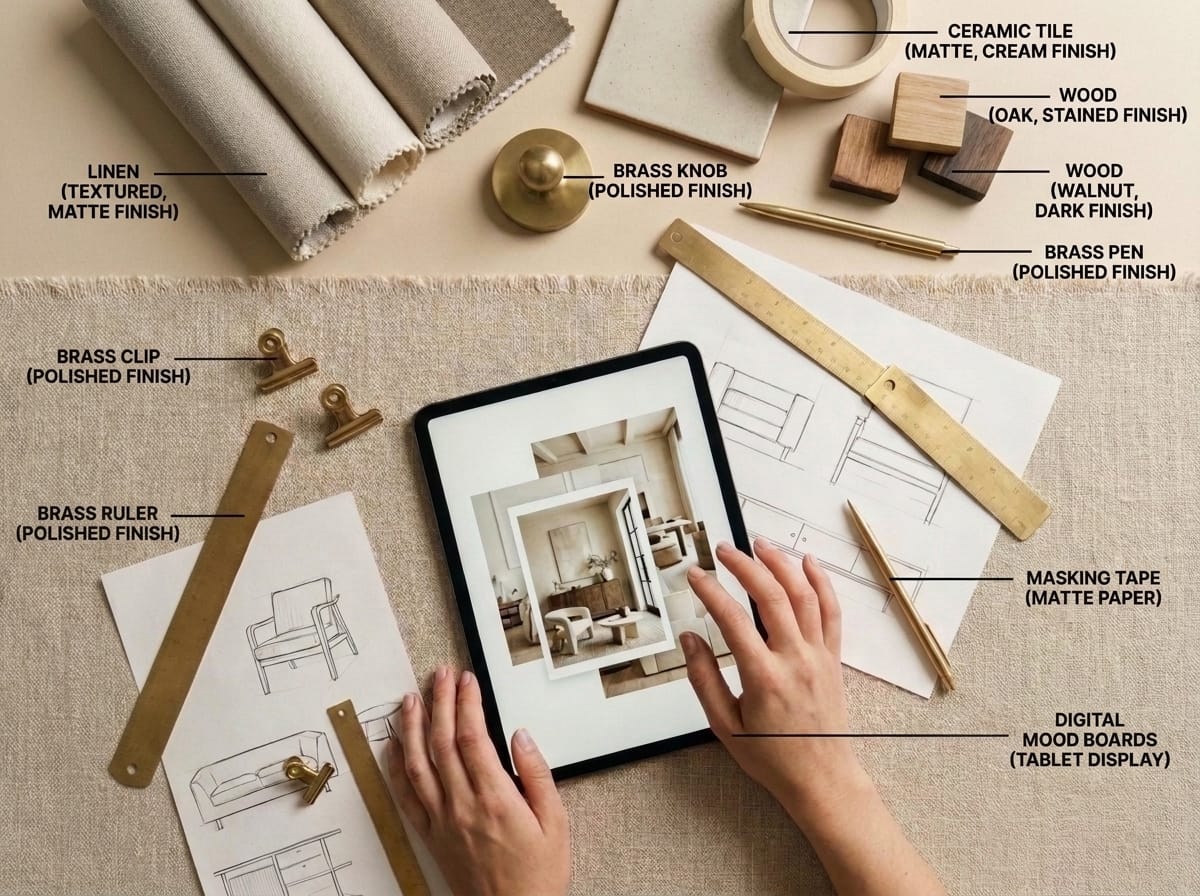
Moodboard
Fix the design language before a render exists
A single stated goal can cross five stages without you touching a tool.
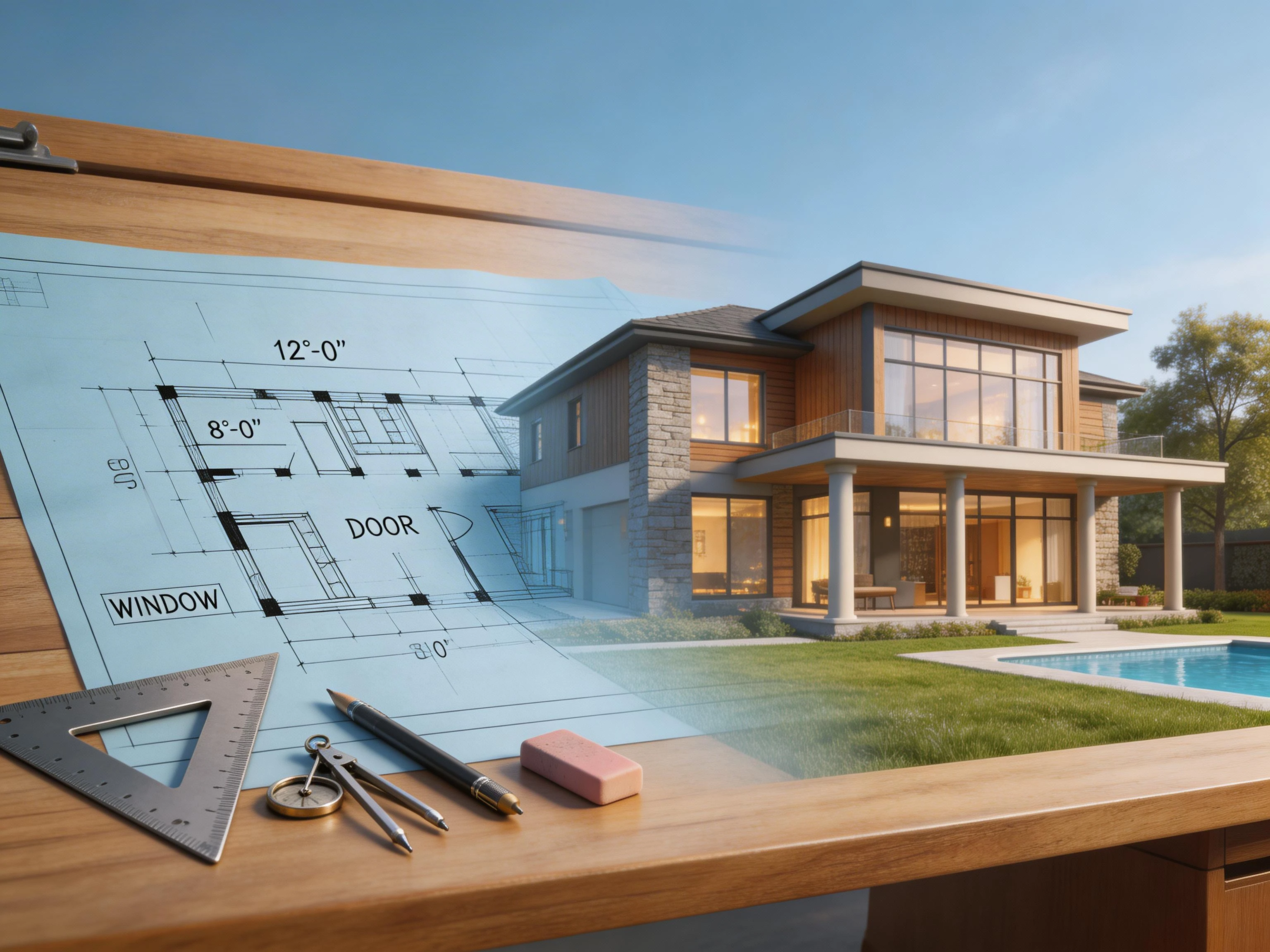 SKETCH TO RENDERMOODBOARD
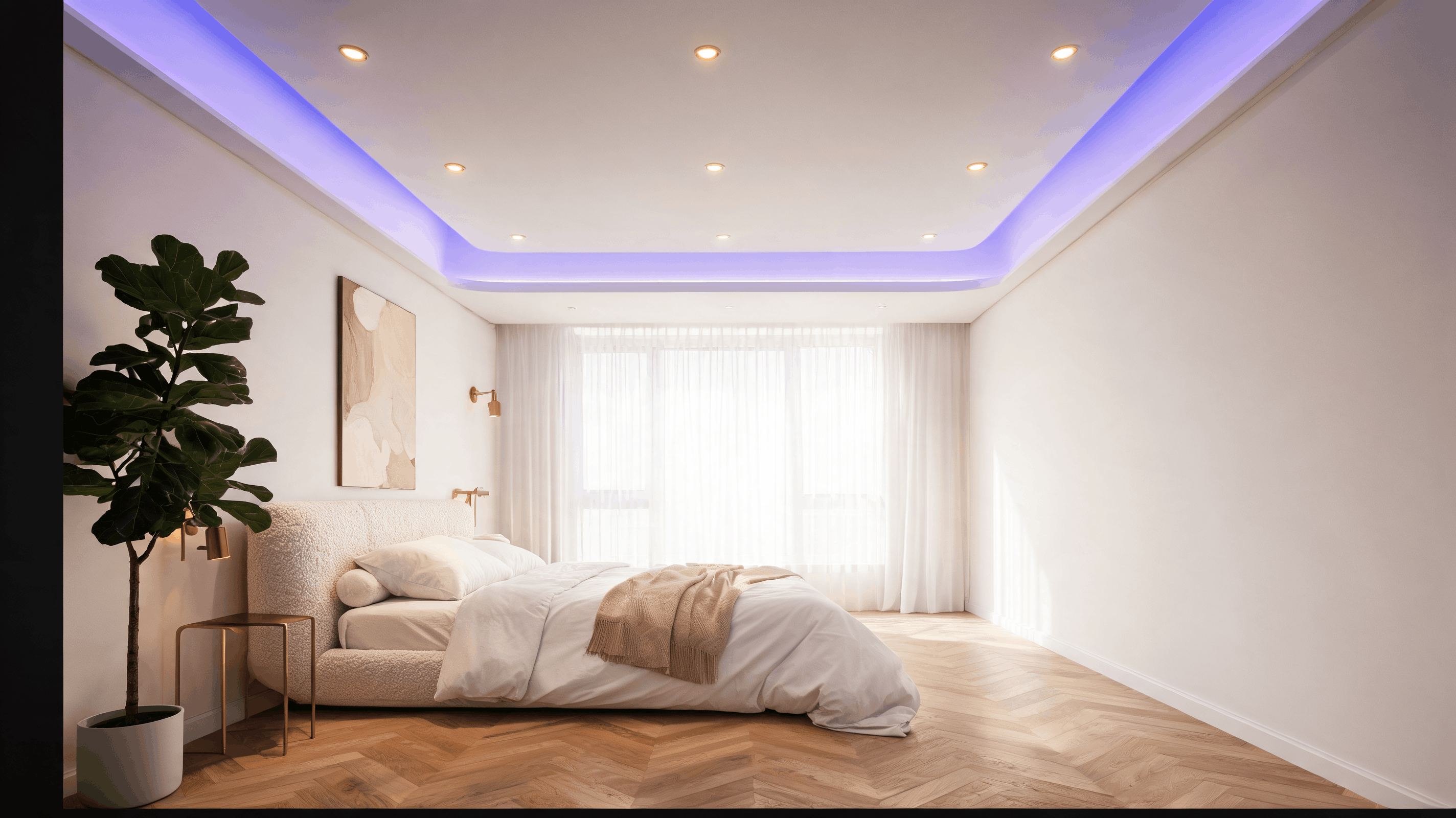 IMAGE RESTYLE
The important line runs between Concept and Design. Before it, invention is on. After it, invention is off and only realism is added.
Ideas before the design exists.
Fix the design language before a render exists
Hand drawing or CAD massing → photoreal exterior

Carry a reference direction into a built visual
Re-skin an existing visual into a new direction
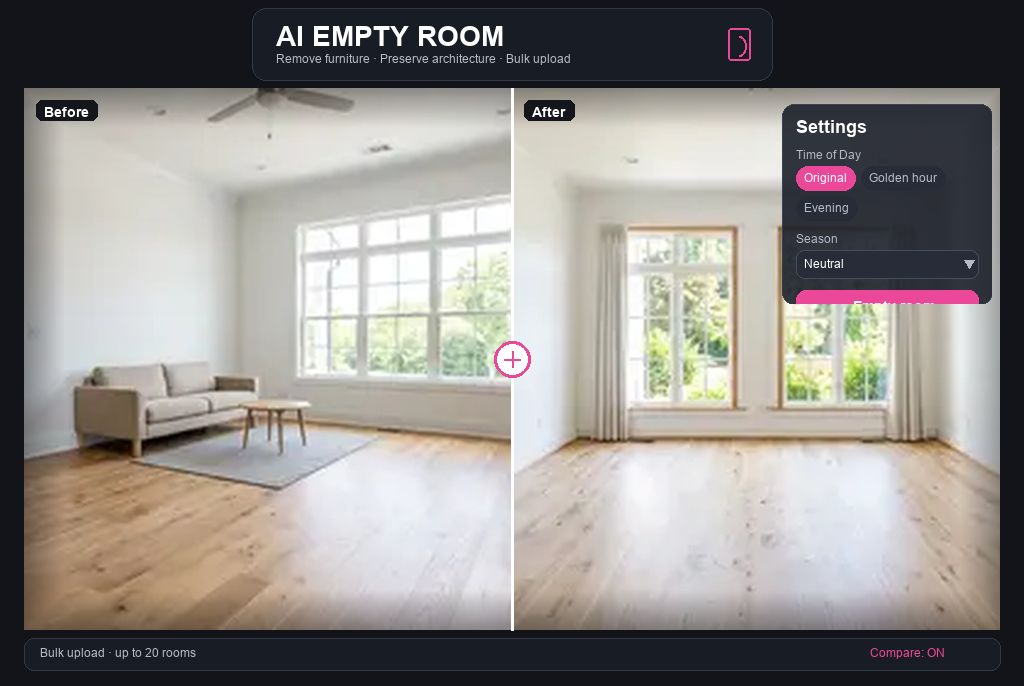
Strip a scene back to the architecture
Prefer to scan the whole library at once? The tools index lists every tool by studio with its output type. What you buy is the 50+ outcome workflows the agent assembles from them.
Craft works with any frontier model — no single model is the advantage. Arc is: the kernel underneath, six compiled intelligence modules behind every plan and every generation. Photorealism, archviz workflow, design, architecture, marketing and sales.
Hover a module to see how Arc compiles domain intelligence into every plan and generation.
Arc compounds: every input and output run through Craft recalibrates the modules. Model access can be bought. A calibrated project record cannot.
Every tool clears three gates before release: real project testing at scale, a clear win over the best alternative, and an independent handoff. Miss one and it stays in development.
RAW OUTPUT · BATCHRun across varied live-project inputs — client renders, CAD exports, plans, panoramas and site photography — at meaningful batch scale. We measure consistency, recovery and approval readiness, not one showcase result.
LIKE-FOR-LIKE TESTLike-for-like outputs are compared with the strongest relevant models and specialist tools. Craft ships only when it creates a repeatable AEC advantage in quality, control or production time.
APPROVED · HANDOFFA teammate outside the build group completes a real workflow without coaching. If the path is unclear, we improve the interface, defaults and guidance before release.
Nothing here is presented as live until it has passed all three quality gates.
Six stages, the full tool surface, and a chat agent that routes a stated goal to the right chain, proposes a plan and executes on approval.
Model routing, consistency controls, quality gates and what is still on the roadmap.
Craft is model-agnostic and routes supported production steps to the model suited to the task. No single foundation model defines the product; the Craft layer is Arc project memory, AEC-specific workflow logic, panoramic processing, consistency controls, cost planning and approval gates.
Craft locks subject identity, materials and lighting at the project level rather than the generation level. Once a façade is established, every subsequent still, panorama and video shot in that project inherits it — which is why a brochure, a reel and a walkthrough produced weeks apart still show the same building.
Craft uses a three-gate release standard: production-scale testing across varied live project inputs, a repeatable advantage over the strongest relevant alternatives, and an independent handoff completed without coaching. Capabilities that miss a gate remain in development or are clearly labelled as roadmap.
Native AEC plugins are on the integration roadmap rather than available today. The planned beta begins with Revit and 3ds Max, followed by AutoCAD, Unreal Engine and SketchUp; enterprise teams can join the beta list while API pilots are scoped separately.
The Craft platform is the interactive workspace where teams run tools, manage projects and approve Agentic plans. The Craft API is a commercial-pilot integration surface for platforms and enterprises that need to submit portfolio-scale batches, receive asset-level results and handle exceptions inside their own systems.
Start on the free plan — no card, no countdown. Bring a real floor plan and a real deadline.